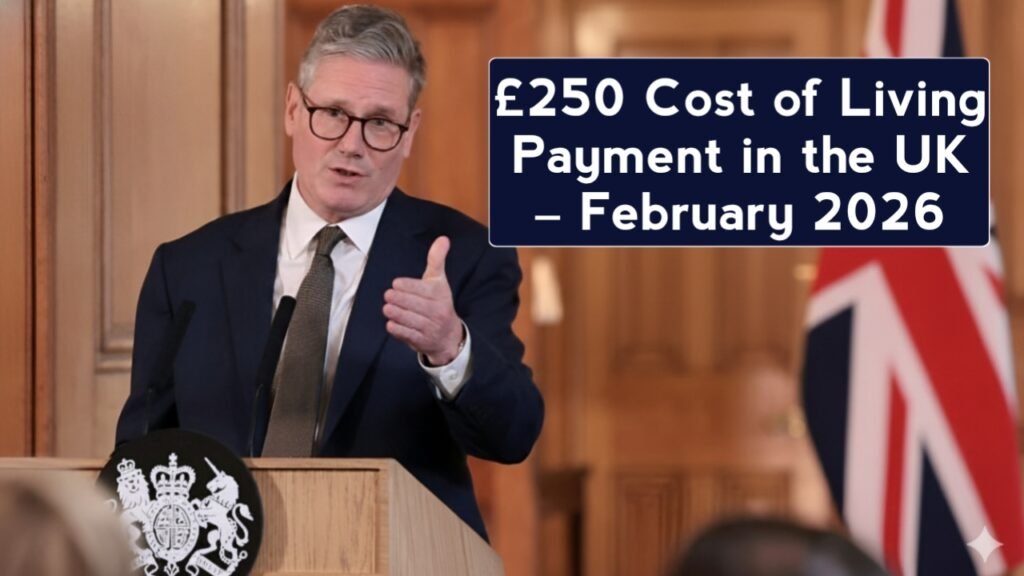
Hello Everyone, The £250 Cost of Living Payment expected in February 2026 is part of ongoing government support aimed at helping UK households manage rising everyday expenses. With food prices, energy bills and housing costs still placing pressure on budgets, this payment is designed to offer short-term financial relief. It is mainly targeted at low-income households, pensioners and people receiving certain benefits. While official confirmation is awaited, similar payments in previous years followed a familiar pattern, making it easier to understand who may qualify and how payments are usually issued.
Why the Payment Matters
For many households across the UK, even a small one-off payment can make a real difference. February is often a financially difficult month, coming after winter energy usage and post-holiday expenses. This £250 payment is expected to help cover essential costs such as heating, groceries and transport. The government has previously stated that cost of living support is intended to protect vulnerable groups rather than replace long-term income. As inflation remains uneven, this type of targeted support continues to play an important role for millions.
Who Is Likely to Be Eligible
Eligibility for the £250 Cost of Living Payment is expected to follow earlier schemes introduced by the Department for Work and Pensions. The payment is generally linked to receiving specific benefits during a qualifying period. This approach allows payments to be made automatically, without the need for applications in most cases. People not receiving benefits during the assessment window may not qualify, even if they face financial hardship. This is why checking benefit status and dates is especially important for households relying on support.
Benefits That May Qualify
Under previous Cost of Living schemes, eligibility depended on receiving at least one qualifying benefit. The February 2026 payment is expected to follow the same structure.
- Universal Credit
- Pension Credit
- Income-based Jobseeker’s Allowance
- Income-related Employment and Support Allowance
- Income Support
- Working Tax Credit or Child Tax Credit
Only one payment is usually made per household, even if more than one person receives a qualifying benefit.
2026 Support Strategy: Energy Discounts and Benefit Rises
While rumors of a specific £250 lump sum circulate, the UK Government has officially confirmed a different, multi-layered support package for the 2026/27 cycle. Instead of a single direct payment, a £150 automatic reduction on energy bills will be applied to all households starting April 2026. This works alongside a 3.8% increase in working-age benefits (like Universal Credit) and a 4.8% rise in the State Pension under the triple lock.
Furthermore, the Household Support Fund has been extended through March 2026, providing hundreds of millions of pounds to local councils. This allows residents to apply for direct cash grants—often ranging from £100 to £250—specifically tailored to those in “crisis” or facing immediate housing and fuel needs, rather than relying on a nationwide fixed-date rollout.
Pensioners and Older People
Pensioners are expected to remain a key focus of cost of living support. Those receiving Pension Credit during the qualifying period are usually included automatically. In previous schemes, State Pension alone did not qualify unless Pension Credit was also in payment. Many older people miss out simply because they do not claim Pension Credit despite being eligible. With living costs rising, checking entitlement could be crucial. The February 2026 payment may once again highlight the importance of ensuring pensioners receive the full support available to them.
Expected Payment Dates
Although final dates have not been officially announced, the £250 Cost of Living Payment is expected to be issued sometime in February 2026. Past payments were typically spread over several weeks rather than paid on a single day. This staged approach helps manage processing volumes and reduces delays. Payments usually appear in bank accounts automatically, using the same details held by the DWP or HMRC. Claimants are advised to monitor official updates closely as February approaches.
How the Payment Will Be Made
The £250 payment is expected to be paid automatically, meaning most eligible people will not need to apply. Payments are usually sent directly to the bank account where benefits or tax credits are received. The reference on bank statements often includes a short description identifying it as a cost of living payment. If details such as bank information are outdated, delays can occur. Keeping personal information up to date with the relevant department is one of the simplest ways to avoid problems.
What to Do If You Do Not Receive It
If you believe you are eligible but do not receive the £250 payment, there are steps you can take. Past schemes allowed claimants to raise a query after the payment window closed.
- Check whether you received a qualifying benefit during the assessment period
- Review bank statements carefully for any delayed payment
- Contact the DWP or HMRC using official channels only
- Avoid third-party websites offering to “claim” the payment for a fee
Acting early can help resolve missing payments more quickly.
Tax and Benefit Impact
The £250 Cost of Living Payment is expected to be non-taxable, as with previous support payments. It should not count as income and will not affect benefit entitlements or the benefit cap. This ensures households receive the full amount without unexpected deductions. The government has consistently taken this approach to ensure emergency support does not create further financial complications. Claimants do not need to report the payment on tax returns or benefit updates unless specifically instructed otherwise.
Common Scams to Avoid
Whenever cost of living payments are announced, scams tend to increase. Fraudsters often target vulnerable people by pretending to offer help with claims or early access to payments. The government will never ask for personal details by text, email or social media. Any message requesting bank details should be treated with caution. Payments are made automatically and free of charge. Staying informed through official UK government sources is the safest way to avoid falling victim to fraud.
How This Fits Into Wider Support
The £250 payment is likely to be one part of a broader support package rather than a standalone measure. Previous years included energy bill discounts, council tax support and winter fuel assistance. While one-off payments help in the short term, long-term financial stability depends on wider economic measures. For households struggling month to month, combining different forms of support can provide some breathing space. Understanding how these schemes work together is essential for making the most of available help.
What Happens Next
As February 2026 approaches, clearer guidance is expected from the UK government and the DWP. Official announcements will confirm eligibility rules, qualifying dates and payment timelines. Until then, households should ensure benefit claims are accurate and up to date. Missing paperwork or unreported changes can affect entitlement. Staying informed through reliable sources and planning ahead can reduce uncertainty. For many families, this payment may offer timely relief during a financially challenging period.
Conclusion
The £250 Cost of Living Payment expected in February 2026 aims to support UK households facing continued financial pressure. While not a long-term solution, it can help cover essential costs during a difficult time of year. Eligibility is likely to mirror previous schemes, with automatic payments for those receiving qualifying benefits. Staying informed, checking entitlement and avoiding scams will help ensure eligible households receive the support they are due without unnecessary stress.
Disclaimer: This article is for informational purposes only and is based on expected government policy and previous Cost of Living schemes. Payment amounts, eligibility rules and dates may change once officially confirmed. Readers should always refer to official UK government or DWP announcements for the most accurate and up-to-date information.